
"Seven species"
1000 article(s) found
Fine coffee beans: teach you to distinguish coffee beans and coffee beans graded coffee basics
● Key to distinguish the name and specification of coffee beans ● Export port name From the indicated export port name, you can know the route of transportation. Coffee of the same origin or brand has a certain route, so it is also exported from the same port. For example, if the label is "Brazil." Santos "means it's coffee coming out of Santos, except when it's marked mocha.

Characteristics of exquisite Rosa Coffee introduction of exquisite Rosa Coffee
The species of Geisha, the editor of Rose Summer Coffee, was discovered in the Rose Summer Forest of Ethiopia in 1931 and sent to the Coffee Research Institute in Kenya; it was introduced to Uganda and Tanzania in 1936, in Costa Rica in 1953, and Panama was introduced by Franco Seven Farm Garden in Dongba in the 1970s. Mr. Serraxin got the seeds from CATIE in Costa Rica and began to plant them.

Introduction of coffee characteristics of Central American coffee beans
Professional coffee knowledge exchange more coffee bean information please follow the coffee workshop (Wechat official account cafe_style) Central American coffee Central America is the land bridge connecting North and South America there are seven countries, namely Belize, Costa Rica, El Salvador, Guatemala, Honduras, Nicaragua and Panama. Coffee is produced in seven countries in Central America, including Guatemala and Costa Rica.
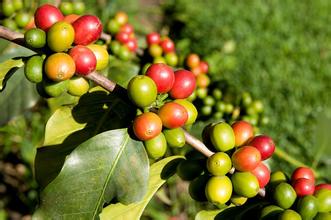
Introduction to high-quality coffee beans, Guatemalan coffee, fine coffee beans, coffee varieties
There are few places in the world that offer a variety of high-quality coffee beans, such as those produced in Guatemala. The excellent quality of Guatemalan coffee beans is due to the unique conditions of their producing areas, including different climate change in each region, rich soil formed by volcanoes, abundant natural water resources, high-altitude mountains and shady and moist forests. There are seven main coffees in Guatemala.

Boutique Coffee beans Rose Summer Coffee the latest coffee introduction unique flavor full of taste
The species of Geisha was discovered in the Rose Summer Forest of Ethiopia in 1931 and sent to the Coffee Institute in Kenya; it was introduced to Uganda and Tanzania in 1936, in Costa Rica in 1953, and Panama was introduced in the 1970s by Francesca of Dongba Seven Farm Garden. Mr. Serraxin got the seeds from CATIE in Costa Rica and started growing Rosa Coffee because

Introduction to the varieties of Rosa coffee beans produced by the method of grinding scale flavor description
The species of Geisha was discovered in the Rose Summer Forest of Ethiopia in 1931 and sent to the Coffee Institute in Kenya; it was introduced to Uganda and Tanzania in 1936, in Costa Rica in 1953, and Panama was introduced in the 1970s by Francesca of Dongba Seven Farm Garden. Mr. Serraxin got the seeds from CATIE in Costa Rica and started growing Rosa Coffee because

Boutique coffee beans Rosa coffee the latest coffee introduction flavor introduction mellow taste
The species of Geisha was discovered in the Rose Summer Forest of Ethiopia in 1931 and sent to the Coffee Institute in Kenya; it was introduced to Uganda and Tanzania in 1936, in Costa Rica in 1953, and Panama was introduced in the 1970s by Francesca of Dongba Seven Farm Garden. Mr. Serraxin got the seeds from CATIE in Costa Rica and started growing Rosa Coffee because

Panamanian Jade Manor Flavor introduction Baru Volcano Rose Summer Coffee
The species of Geisha was discovered in the Rose Summer Forest of Ethiopia in 1931 and sent to the Coffee Institute in Kenya; it was introduced to Uganda and Tanzania in 1936, in Costa Rica in 1953, and Panama was introduced in the 1970s by Francesca of Dongba Seven Farm Garden. Mr. Serraxin got seeds from CATIE, Costa Rica, and started growing Rosa Coffee.

Panama Emerald Estate Rose Summer Coffee Latest Flavors Taste Details
The species Geisha was discovered in 1931 in Ethiopia's Guisha Forest and sent to the Coffee Institute in Kenya; introduced to Uganda and Tanzania in 1936, Costa Rica in 1953, Panama in the 1970s by Francesco de la Domba Seven Farm. Mr. Serrazin got seeds from CATIE in Costa Rica and started growing summer coffee, because

Introduction to the producing areas of Esmeralda Manor Coffee with Jasmine Flavor and Citrus
Species of Geisha were discovered in the Rose Summer Forest of Ethiopia in 1931 and sent to the Coffee Research Institute in Kenya, introduced to Uganda and Tanzania in 1936, introduced to Costa Rica in 1953, and Panama was introduced in the 1970s by Mr. Francico Serraxin of the Tonba Seven Farm Garden from CATIE in Costa Rica and began to grow Rose Summer Coffee. G

Panamanian Coffee Flavor description Taste Variety characteristics introduction of Fine Coffee beans
Species of Geisha were discovered in the Rose Summer Forest of Ethiopia in 1931 and sent to the Coffee Research Institute in Kenya, introduced to Uganda and Tanzania in 1936, introduced to Costa Rica in 1953, and Panama was introduced in the 1970s by Mr. Francico Serraxin of the Tonba Seven Farm Garden from CATIE in Costa Rica and began to grow Rose Summer Coffee. G
Boutique coffee beans Rosa coffee the latest coffee introduction and information unique flavor full of taste
The species of Geisha was discovered in the Rose Summer Forest of Ethiopia in 1931 and sent to the Coffee Institute in Kenya; it was introduced to Uganda and Tanzania in 1936, in Costa Rica in 1953, and Panama was introduced in the 1970s by Francesca of Dongba Seven Farm Garden. Mr. Serraxin got the seeds from CATIE in Costa Rica and started growing Rosa Coffee because

Unique fragrant sweet taste of Guatemala La Tisa Manor Coffee Flavor and Taste characteristic Fine Coffee
There are few places in the world that offer a variety of high-quality coffee beans, such as those produced in Guatemala. The excellent quality of Guatemalan coffee beans is due to the unique conditions of their producing areas, including different climate change in each region, rich soil formed by volcanoes, abundant natural water resources, high-altitude mountains and shady and moist forests. There are seven main coffees in Guatemala.

Introduction to the characteristics of Guatemala Antigua Coffee Flavor Manor with bitter fragrance and good taste
There are few places in the world that offer a variety of high-quality coffee beans, such as those produced in Guatemala. The excellent quality of Guatemalan coffee beans is due to the unique conditions of their producing areas, including different climate change in each region, rich soil formed by volcanoes, abundant natural water resources, high-altitude mountains and shady and moist forests. There are seven main coffees in Guatemala.

Introduction of Rosa Fine Coffee quality Rosa Coffee Flavor characteristics of Rosa Coffee mouth
The species of Geisha was discovered in the Rose Summer Forest of Ethiopia in 1931 and sent to the Coffee Institute in Kenya; it was introduced to Uganda and Tanzania in 1936, in Costa Rica in 1953, and Panama was introduced in the 1970s by Francesca of Dongba Seven Farm Garden. Mr. Serraxin got the seeds from CATIE in Costa Rica and started growing Rosa Coffee because

Introduction of Rosa Fine Coffee History of Rosa Coffee Flavor characteristics of Rosa Coffee
The species of Geisha was discovered in the Rose Summer Forest of Ethiopia in 1931 and sent to the Coffee Institute in Kenya; it was introduced to Uganda and Tanzania in 1936, in Costa Rica in 1953, and Panama was introduced in the 1970s by Francesca of Dongba Seven Farm Garden. Mr. Serraxin got the seeds from CATIE in Costa Rica and started growing Rosa Coffee because
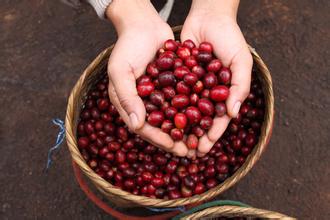
Distinguish coffee beans and the grading of coffee beans how to distinguish the quality of coffee beans coffee knowledge
● distinguishes the key names and specifications of coffee beans the name of the port of export of ● can tell the shipping route from the name of the port of exit marked. Coffee from the same origin or the same brand has a certain route, so it is also exported from the same port. For example, if it is marked "Brazil." "Santos" means that this is coffee exported from Santos, with the exception of those marked "mocha".
Seven reasons affecting the aroma and flavor of coffee: the brewing method of environmental roasting degree of coffee beans
As coffee lovers, we know that you can find a wide range of features in coffee. From simple tones to sweet fruit, to flowers and tea, our favorite drinks bring an incredible taste experience. But what determines the flavor of your coffee? There is no simple answer to this question. The science behind the flavor of coffee is still in place.

Seven plots of Green Diamond-Emerald Manor from Panama the citrus acid aroma of rose summer coffee beans exploded.
Professional coffee knowledge exchange more coffee bean information please follow the coffee workshop (Wechat official account cafe_style) Panama Esmeralda Manor was originally a 40-year-old but unknown coffee farm family, but since 2004, like drinking Bull, with a special aroma raw bean variety-Geisha Rosa Coffee, has been in the international coffee competition one after another.
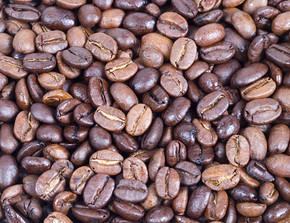
The price of Rosa coffee beans
Following Cafe Review (official account vdailycom of Wechat) found that Beautiful Cafe opened a small shop of its own: Geisha was discovered in the rose forest of Ethiopia in 1931 and sent to the Coffee Research Institute in Kenya; it was introduced to Uganda and Tanzania in 1936, Costa Rica in 1953 and Panama from Dongba Seven Farmers in the 1970s.